

Public hearing Tuesday (night before school starts!) at the Meadows about the Eastern Connector.
Anyone want to take bets on when Eastern Avenue to 240 will happen?
Primary sources
- Eastern Avenue South Connection
- RFQu – Part 1 Boulders Road Extended and Eastern Avenue South Connection Bundling (UPC 128683 and UPC 121389)
- Click through to download the traffic studies and plans – these are big files.
- Albemarle County’s Climate Action Plan
Via the excellent Crozet Gazette story
(read the whole thing)
The Design Public Hearing will take place on Tuesday, August 11, from 5:30 to 7:30 p.m. in the conference room in the Meadows Community Center, 5735 Meadows Drive. Please contact Senior Project Manager Steve Hoffmann at 434-995-9479 or [email protected] to coordinate previewing the preliminary plans, to get answers to questions you may have, or to submit written comments about the design plan by August 21.
Via Charlottesville Community Engagement Week Ahead
(read the whole thing)
Design-build hearing for Eastern Avenue this Tuesday, one week after hearing for Boulders Road project
This week, Albemarle County will hold a required meeting to get feedback on the extension of Eastern Avenue, a long awaited roadway that when finished will connect U.S. 250 with Route 240 to provide a north-south option for travel.
Thoughts on the Road
The following is what I just emailed to Steven Rutherford with the County, and CC’d Ann Mallek (our representative on the Board of Supervisors) and to the BoS. I figured if I’m writing a story, might as well submit to the people who make the decisions.
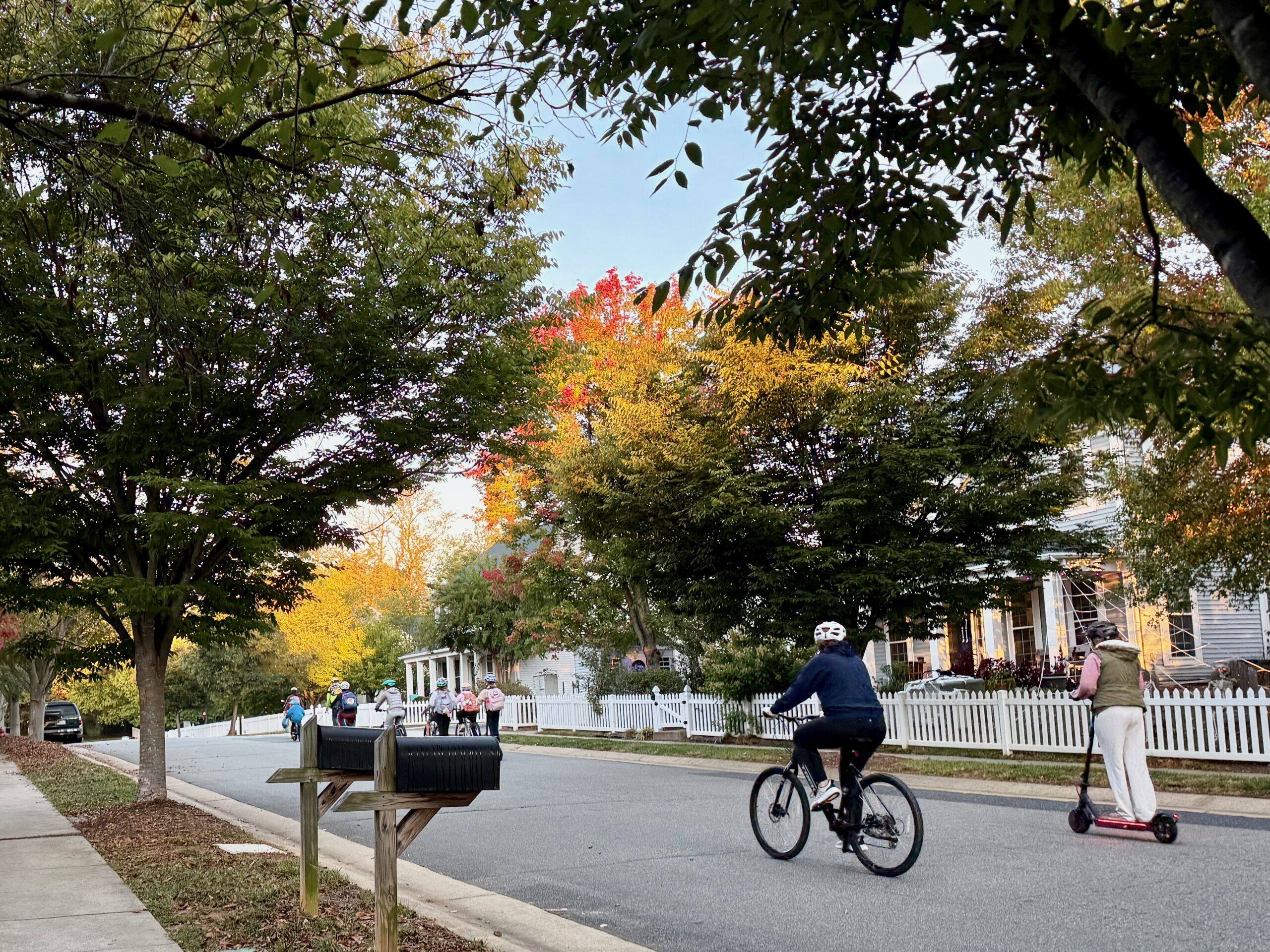
Tl;dr: make the road safe enough that a kid will feel safe riding their bicycle to see a friend, and a parent will feel reasonably confident and comfortable sending their kids to ride bikes to see friends, go to Crozet Park, ride to school, or get ice cream.
I wrote this story two years ago and wanted to submit as a comment on the bridge. But first, regarding the rendering below, it would be far more productive and safer to have separated, protected bike lanes. It should be simple enough to have wider sidewalks, protected bike lanes, grass, then car lanes.
From Page 195 of Killed by a Traffic Engineer: (bolding below is mine)
“So that is what AASHO did, and that is what AASHTO continues to do. In their words, we should apply the clear zone “wherever practical.” That includes cities. Now, AASHTO at least acknowledges that the rural clear zone distances “may be unlikely in an urban setting” due to more limited rights-of-way. Yet even in urban areas, “the clear roadside concept is still the goal of the designer.” 14
AASHTO long defined the clear zone as the space we give “errant vehicles” to recover. In its more recent corrections to the most recent Roadside Design Guide, the clear zone is defined as “the unobstructed, traversable area provided beyond the edge of the through traveled way for the recovery of errant vehicles.
The clear zone includes shoulders, bike lanes, and auxiliary lanes, except those auxiliary lanes that function like through lanes. ?15
In other words, the clear zone includes shoulders, which makes some sense, as well as bike lanes, which doesn’t make any sense. Why would we intentionally design our major roads to place bicyclists in the exact same place as where we want errant vehicles to go?
It’s worse than that in practice. I’m currently looking at the new, well-regarded typical section for an urban arterial that was recently put out by the Florida Department of Transportation. It labels both the bike lane and the sidewalk as “Clear Zone.” So instead of protecting vulnerable road users with trees or other fixed objects, we deliberately remove those protections and overlap the limited space we give them with that for “errant vehicles.”
Here’s the funny—and sad-thing. Much of the evidence suggests that urban clear zones don’t help the cause.”
In the context of above,
does this rendering seem safe to people on bicycles and foot?
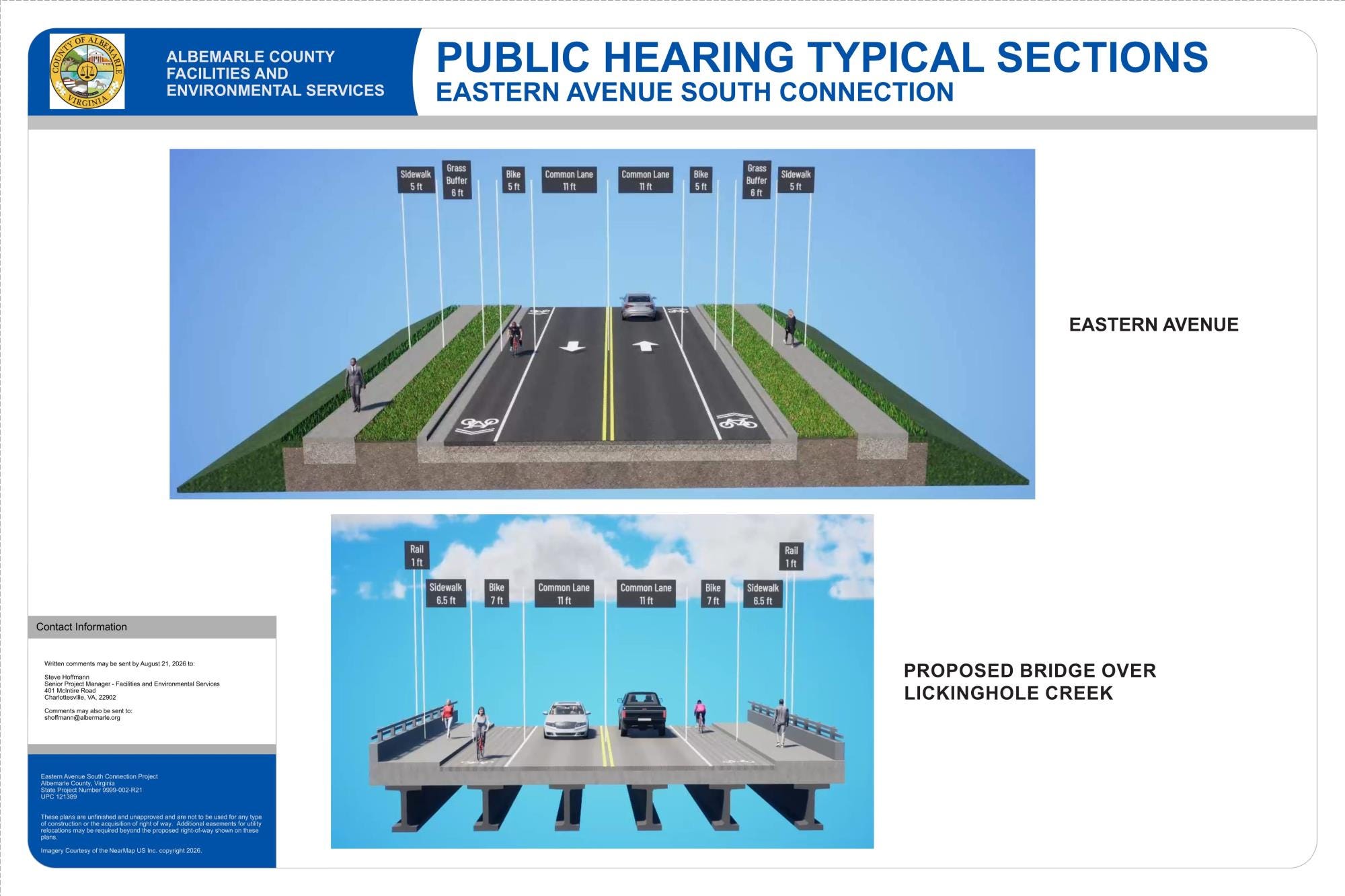
The County’s Comp Plan states
“Albemarle County’s target is to reduce greenhouse gas emissions in the community by 45% from 2008 levels by 2030 and to achieve zero net emissions by 2050.”
Building a road that encourages people to move themselves around without being forced into a car is a prime example of how to help reduce greenhouse gas emissions.
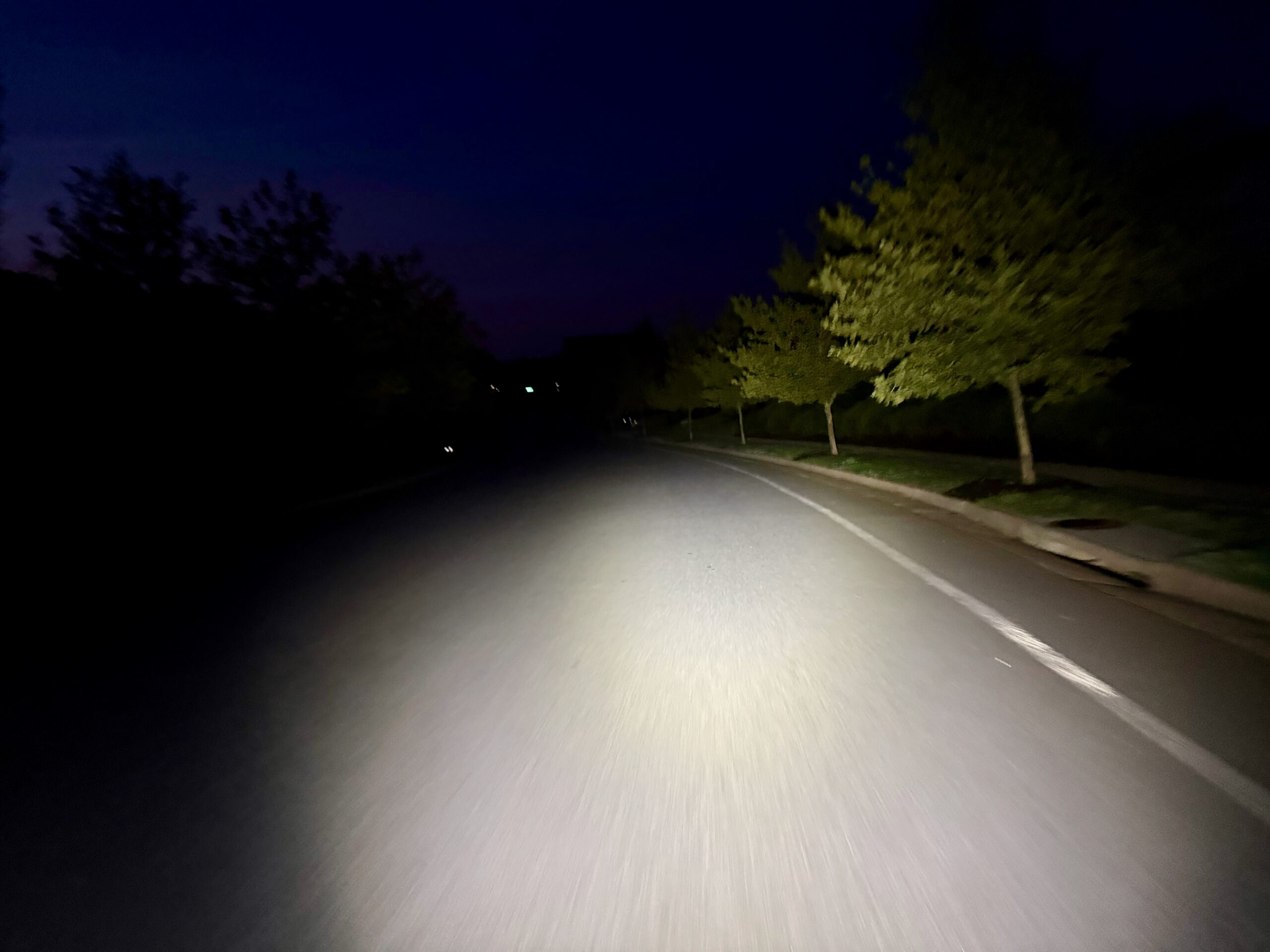
Paint is not infrastructure
just look at that safe bike lane.


Leave a Reply